Ford's New Privacy Promise: Your Driving Data Won't Be Sold
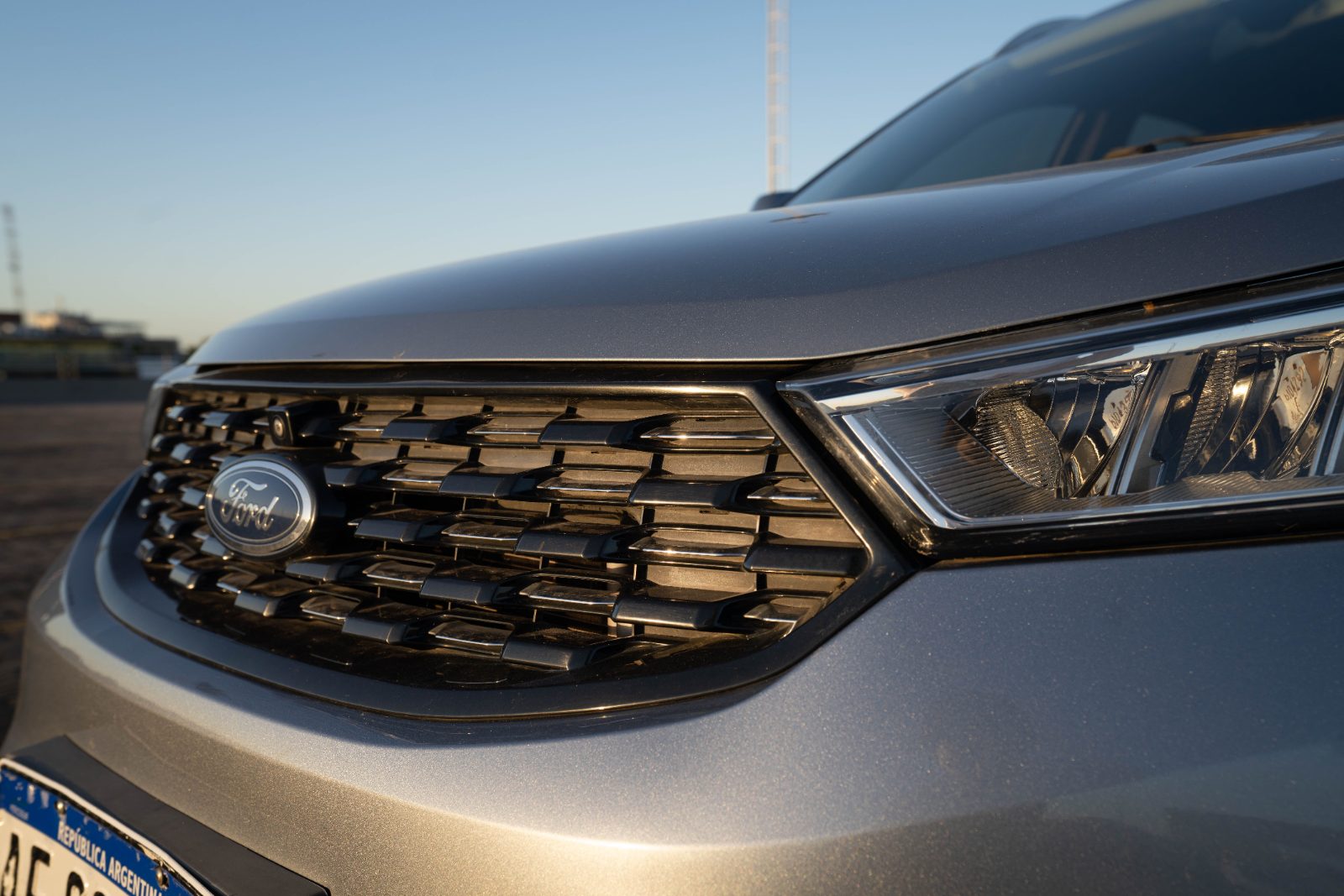
Ford has put it in writing — no selling how you drive to data brokers. Here's why that matters for every driver of a connected vehicle.
On November 3, 2026, Ford laid out what it's calling a Privacy Promise for connected-vehicle data: the company pledges never to sell information about how its customers drive to data brokers.
It sounds like a technicality. It isn't. Modern vehicles collect an enormous amount of information — where you go, how hard you brake, how fast you accelerate, when you start the car — and for years the default assumption has been that this data is fair game once it leaves the vehicle.
Why Driving Data Matters
Without a federal privacy law in the United States, automakers have largely been allowed to set their own rules and Ford's pledge is a voluntary step into that gap. The company says drivers will be able to make choices about their data without losing access to the features and services they actually want.
That's a meaningful distinction. I mean, honestly, your radio working shouldn't depend on agreeing to be surveilled.
What Your Car Knows
It's worth being concrete about what a connected vehicle can report:
- Your daily patterns — home, work, the routes between them.
- Driving behavior — speed, braking severity, cornering.
- Vehicle health — fault codes, battery state, tire pressure.
None of that is evil in itself; most of it helps with diagnostics and safety recalls. The question is always who else gets it and whether you said yes to allowing it.
Our Own House Rules
At the shop, we're held to the same standard we'd want for ourselves: we don't sell customer information, we don't hand it to marketers, and our privacy policy says so in plain English. Your VIN goes to the federal VIN database when you ask us to decode it and nowhere else. When we scan your car for faults and codes, we only see what your car is telling us could be wrong, nothing about you or how you drive.
What to Watch For
Ford's promise is one company's move, not an industry conversion. When you're leasing or buying a connected vehicle, it's entirely fair to ask two questions: what data leaves this car, and who buys it? The brands that answer clearly are the ones earning trust right now.
