
Tire Pressure and the Colorado Temperature Drop
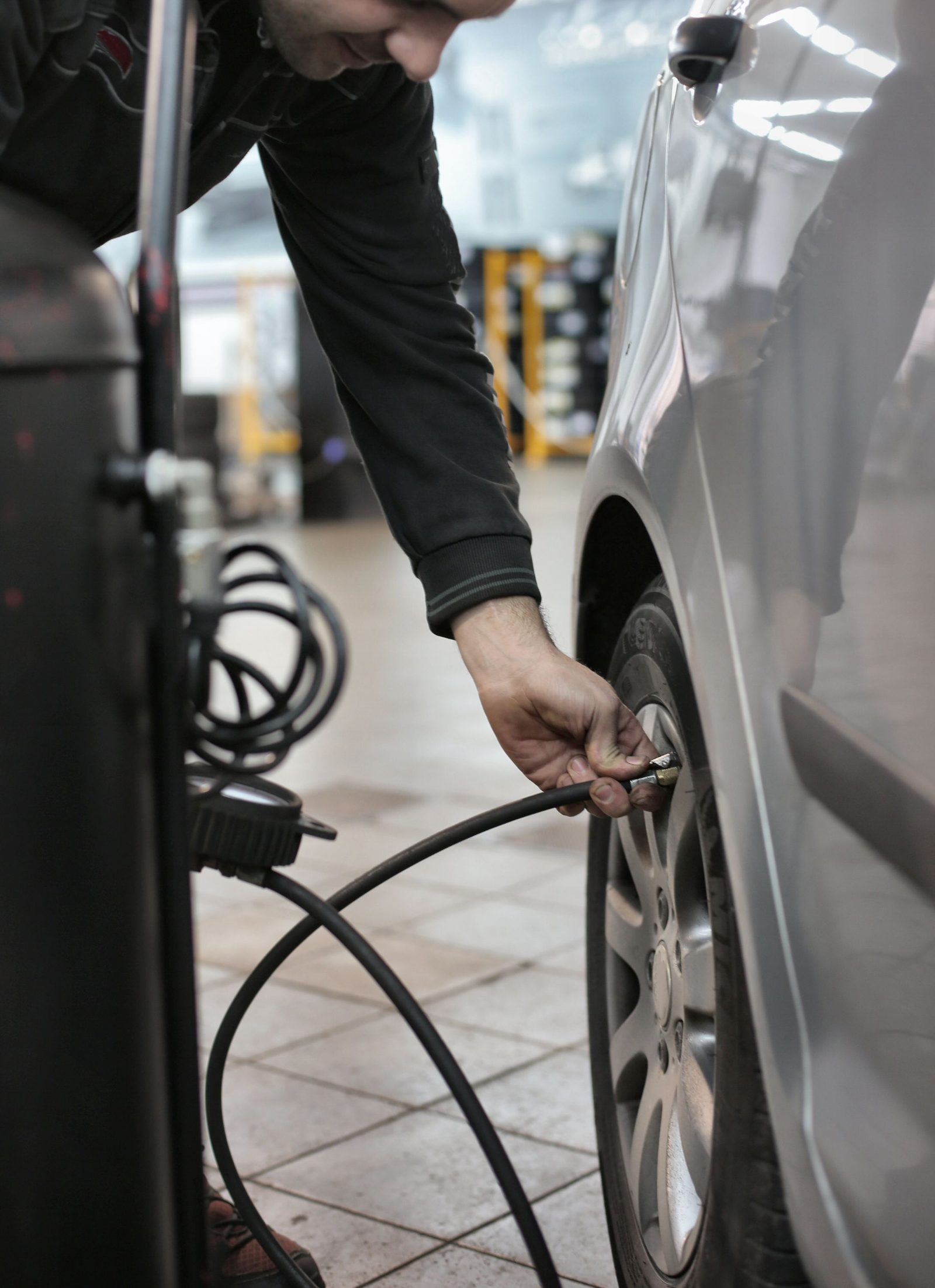
Cold mornings drop your tire pressure every fall. Why it matters, where the right number lives, and how often to actually check.
Every Colorado driver learns the same lesson eventually: the tire pressure light comes on in October, and it isn't a leak. Air expands with heat and contracts with cold, so when the temperature falls, the pressure in your tires fall with it. Understanding that cycle keeps your tires wearing evenly and your car handling the way it should.
The Rule of Thumb
Tires lose roughly one pound of pressure for every 10 degrees Fahrenheit of temperature drop. A stretch of cold nights can easily take 3–5 pounds out of your tires. That's enough to trigger the monitoring light, affect fuel economy, and change how the car handles.
Heat works the other way: a long highway drive in summer raises pressure again. This is why a pressure that seemed fine last month can look wrong today without any puncture at all.
Where the Right Number Lives
Don't use the number molded into the tire's sidewall — that's the maximum the tire can hold, not what your car wants. The correct pressure for your vehicle is on the driver's door jamb sticker (sometimes inside the fuel door or glove box), and it's the pressure the car was engineered around.
Check pressure when the tires are cold before driving, or after sitting at least a few hours. Include the spare while you're at it; there's nothing worse than a spare tire that's just as flat as the tire it's supposed to step-in for.
Why It Matters Beyond the Warning Light
Underinflated tires wear heavily along the outer edges, run hotter, and cost you fuel. Overinflated tires wear down the center strip and give you less grip in the middle of the tread where you need it most. Either way, the tread life you paid for gets shorter.
Pressure also changes handling. In a wet or snowy Colorado spring, a tire that's 8 pounds low simply does not stop the way it did when it was correct.
A Simple Habit That Saves Money
Check pressure once a month and at every seasonal change. It takes a couple of minutes at the pump with the right gauge. Once a year, have the tread depth and wear pattern looked at too: uneven wear tells a story about alignment, suspension, or inflation habits that no pressure reading will show you.
