Winter Brake Care for Colorado Drivers
Snow, salt, and mountain grades are hard on brakes. How to check yours before the first real storm — and how to drive the hills without cooking them.
Colorado winters ask more of your brakes than the rest of the year does. Wet roads, road salt, freezing temperatures, and long mountain descents all stack up against the pads and rotors under your car. The good news: brake problems almost always announce themselves early, if you know what to listen and feel for.
What Winter Actually Does to Your Brakes
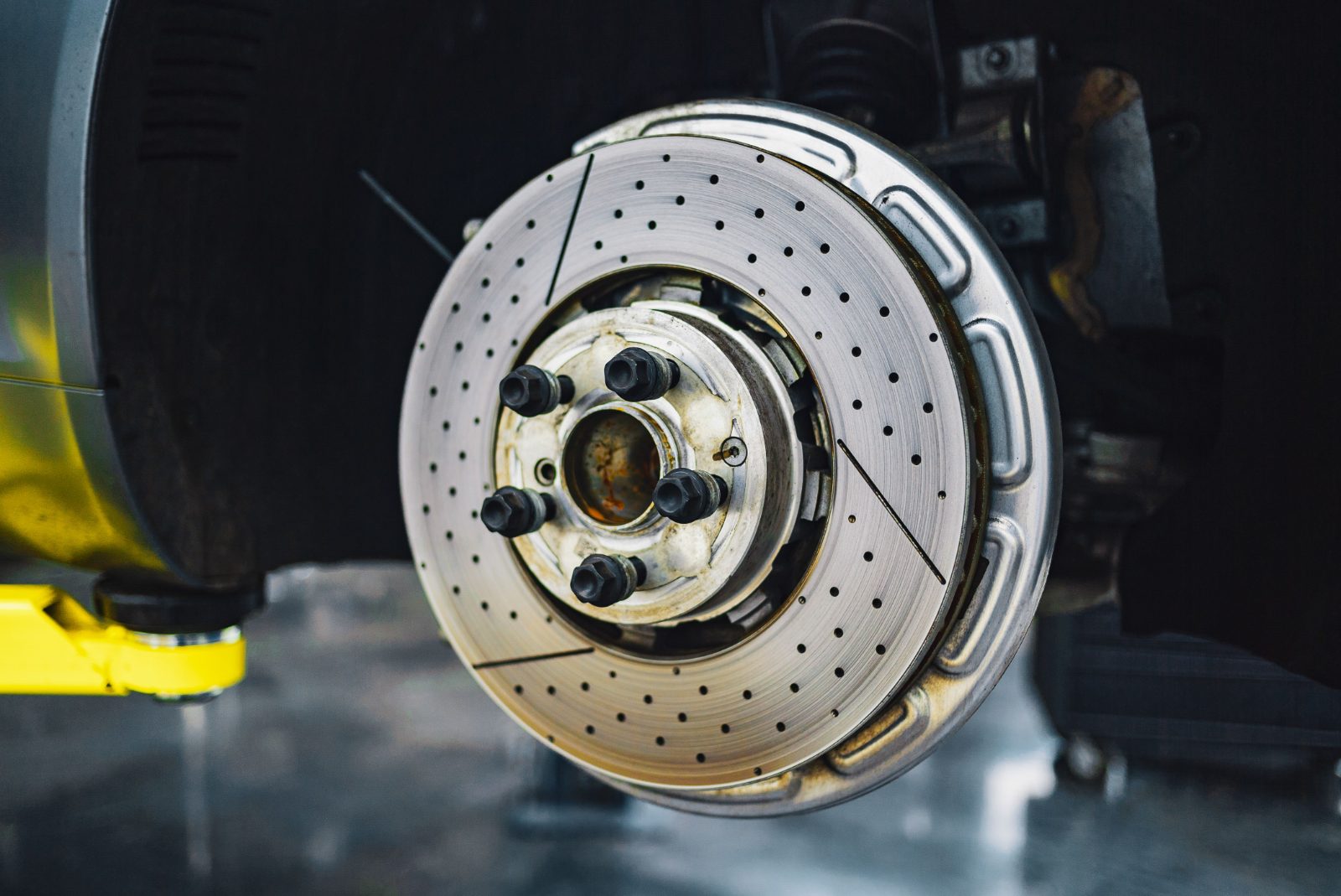
Water and salt from winter roads work their way into the components around your braking system. Pads can glaze in cold, damp conditions, rotors can surface-rust where the pads aren't sweeping them, and brake lines deserve a look on any vehicle that has seen several Colorado winters.
The bigger factor, though, is how you drive. Mountain driving means long downhill stretches where the brakes do continuous work instead of short, restful stops around town. Heat is what wears brakes, and downhill miles build heat faster than most drivers realize.
Warning Signs to Catch Before the Snow Flies
Give the brakes a few minutes of attention in a quiet parking lot before the season turns. These are the signals worth taking seriously:
- Squealing or squeaking when you come to a stop (often the first sign that pads are wearing thin).
- A grinding or crunching sound means your brakes are metal-on-metal. Stop driving and have it looked at; this means pad material is gone and your brakes are no longer safe.
- A vibration or pulsation through the brake pedal or steering wheel when braking.
- The brake warning light on your dashboard.
- The car pulling to one side under braking, or a pedal that feels soft and spongy.
- A longer distance than usual between pressing the pedal and slowing down.
Driving the Grades Without Cooking Your Brakes
On long descents, shift the workload away from the brakes. Let the engine help by downshifting — lower gear means the engine holds your speed instead of the pads. Apply the brakes in firm, deliberate intervals rather than riding a light, constant pressure; this lets the rotors cool between applications. Brake before and partially into corners, then accelerate smoothly through them.
If you smell something hot and metallic after a steep section, or the pedal-feel starts to fade, find a safe place to pull over and let everything cool down. Brakes that have been overheated need to be inspected before you keep driving. Heat can glaze pads and warp rotors, and boiling your brake fluid results in air bubbles. If that happens, the pedal won't do anything and can cause an accident quickly.
A Simple Pre-Winter Check You Can Do Yourself
Before the first storm: look through the wheel spokes at each rotor face for heavy rust or scoring, check that the brake fluid in the reservoir is between the lines and looks clear-to-amber rather than dark, and take the car for one test-stop on a safe, empty street. Listen for grinding, feel for pulsation, and watch for pulling.
None of that replaces a professional inspection, but it will catch the obvious problems early. If anything feels off, that's your cue to bring it in before icy roads make it urgent.
